
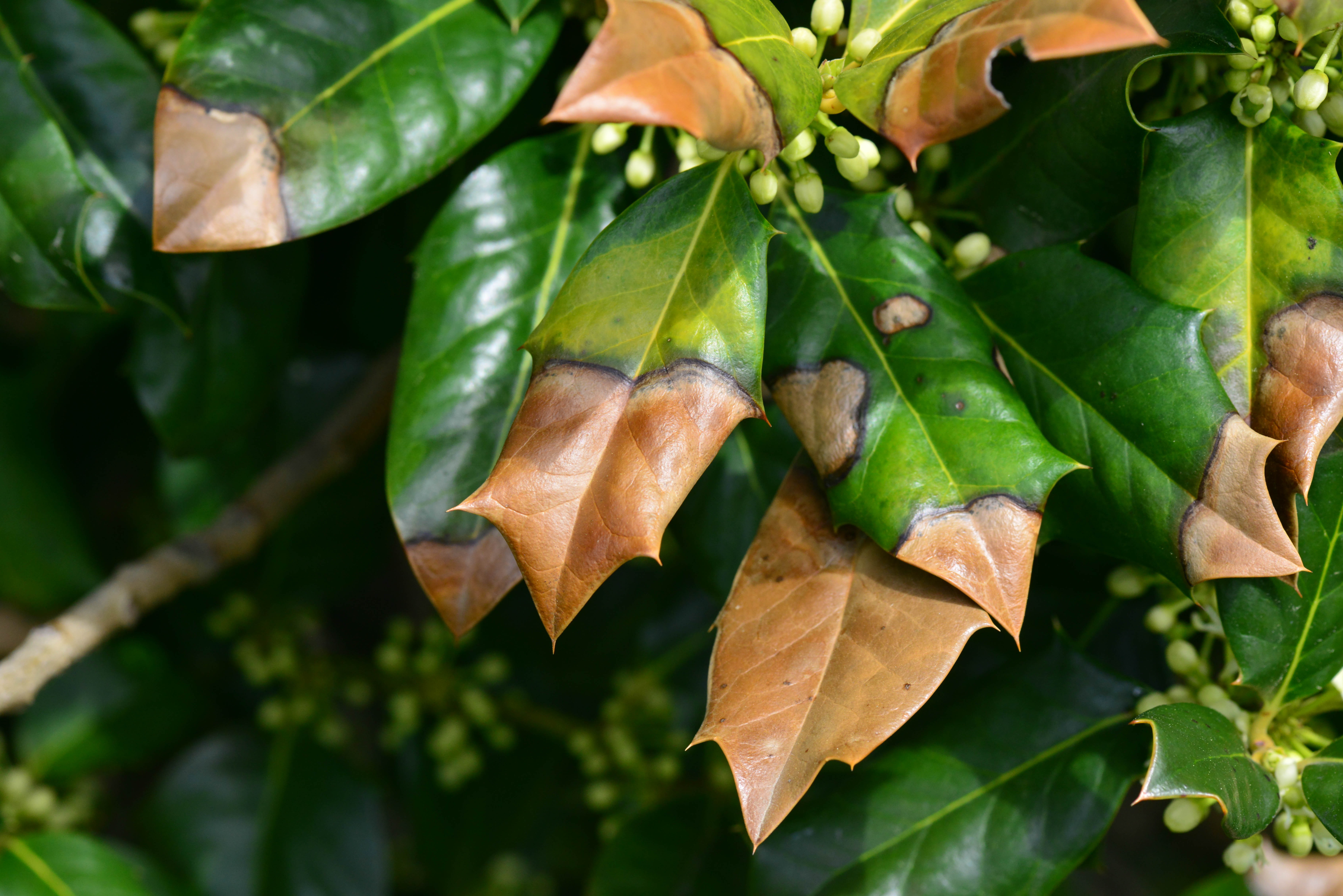
Nature nurtures and grows our landscapes, and we are thankful for her bounty. But she will also throw us curve balls in the form of extreme weather. In this case, it was historic low temperatures in January and February of this year that has resulted in significant cold damage to our gardens and plant beds. Across our maintenance sites and Lake neighborhoods we are seeing brown, wilted, or blackened foliage on shrubs, trees, and perennials.
This post explains what happened, why certain plants were hit hardest, how to assess damage, and what to do now. We’ll also clarify the landscaping standard warranty coverage so you know exactly where we stand as your landscaping partner.
The Historic Cold Snap of January/February 2026
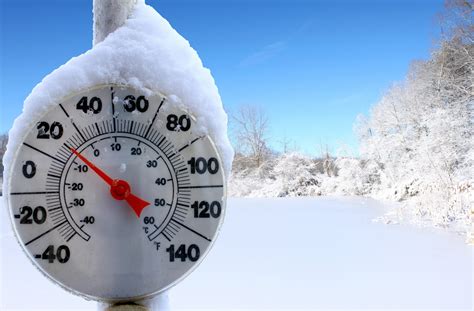

Our area experienced one of the most significant winter events in recent memory. January started relatively mild but flipped dramatically in late January as Arctic air moved in. A powerful winter storm (described by the National Weather Service as a bomb cyclone) dumped historic snowfall across all 100 North Carolina counties from January 30 to February 1—the first time this had happened in over a decade. Snow totals reached 6–18+ inches in many spots, blanketing everything from the mountains to the coast.
This was followed by an extended period of dangerously cold lows plunging into the single digits and teens in early February. In the Lake Gaston area, temperatures stayed sub-freezing for prolonged stretches, well below our typical winter norms, resulting in the freezing of the snow into dangerous sheets of ice. While exact local records for the Roanoke Valley weren’t broken in every category, the sustained lows made this one of the coldest and most impactful winters in 15+ years for our Zone 7-8 area.
These conditions—snow, ice, and prolonged cold combined with wind and frozen soil—created the perfect storm for plant tissue damage.
What Is Cold Damage and When Does It Occur?
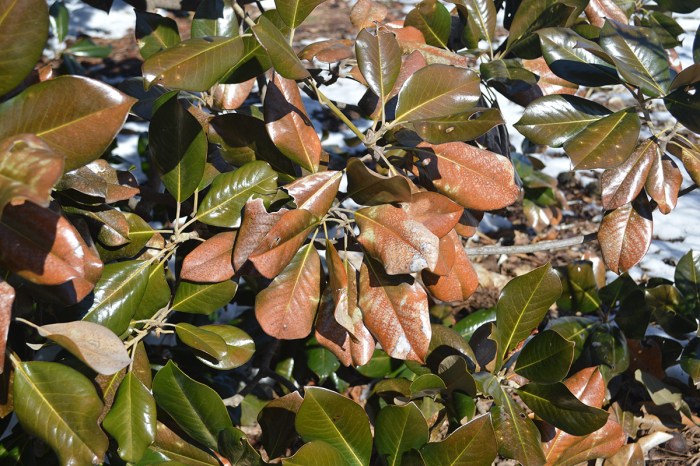
Cold damage (also called tissue damage or winter injury) happens when temperatures drop low enough to disrupt plant cells. In our Lake Gaston area, tissue damage commonly occurs anytime temperatures fall below 18°F, particularly with wind or extended exposure. While our USDA Hardiness Zone 7-8 (average annual lows of plus/minus 5°F to 10°F) means many established plants are rated to survive colder snaps, sudden or prolonged drops below this threshold can still cause harm—especially to tender new growth, leaves, or stems.
Symptoms you might see right now include:
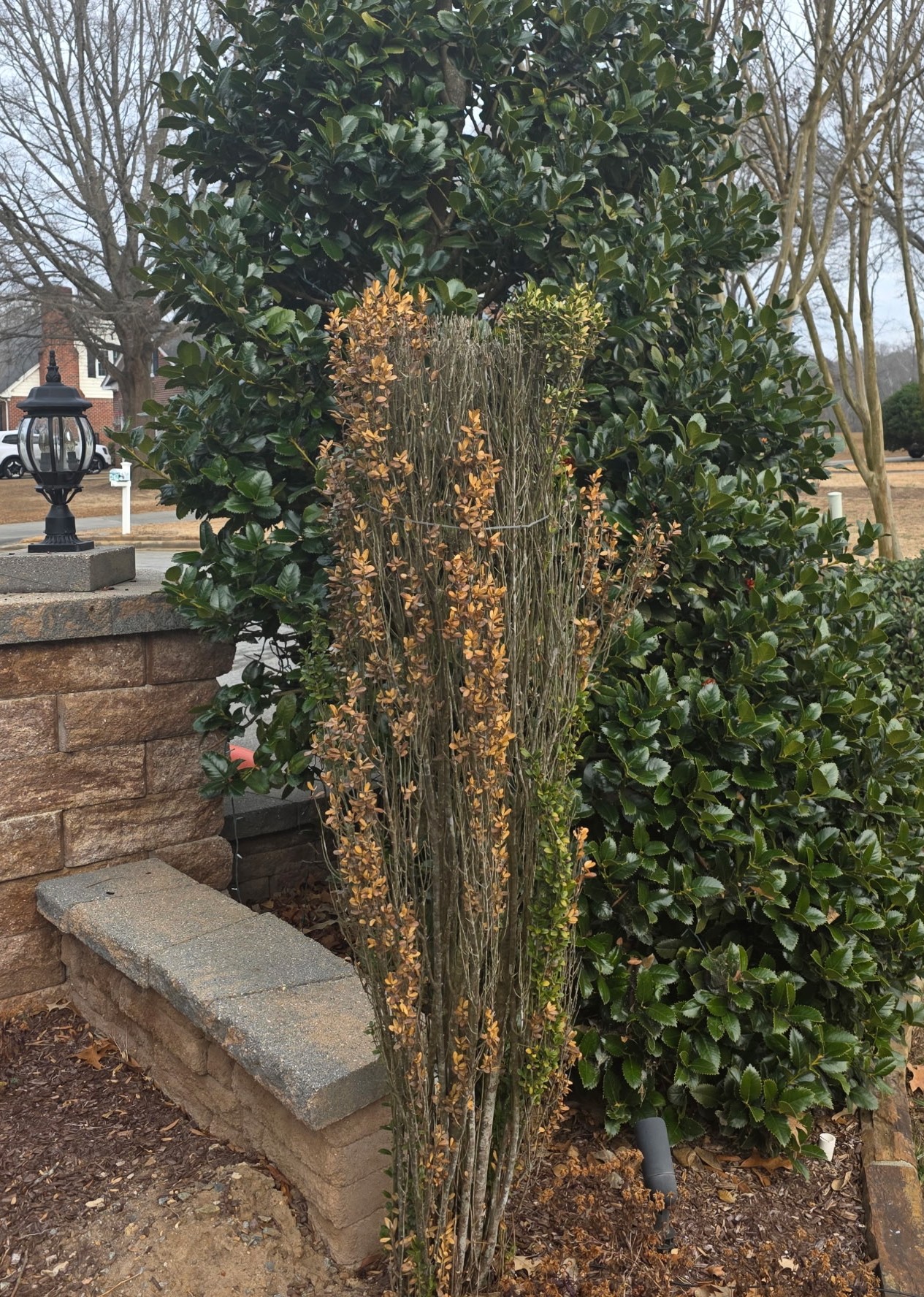
- Brown or blackened leaf margins and tips
- Wilted or “scorched” evergreen foliage
- Split bark or dieback on branches
- Soft, mushy tissue that turns dark after a thaw
- Complete leaf die-off
Some Plants are More Susceptible to Cold Damage
Several factors make certain landscapes especially vulnerable this winter:
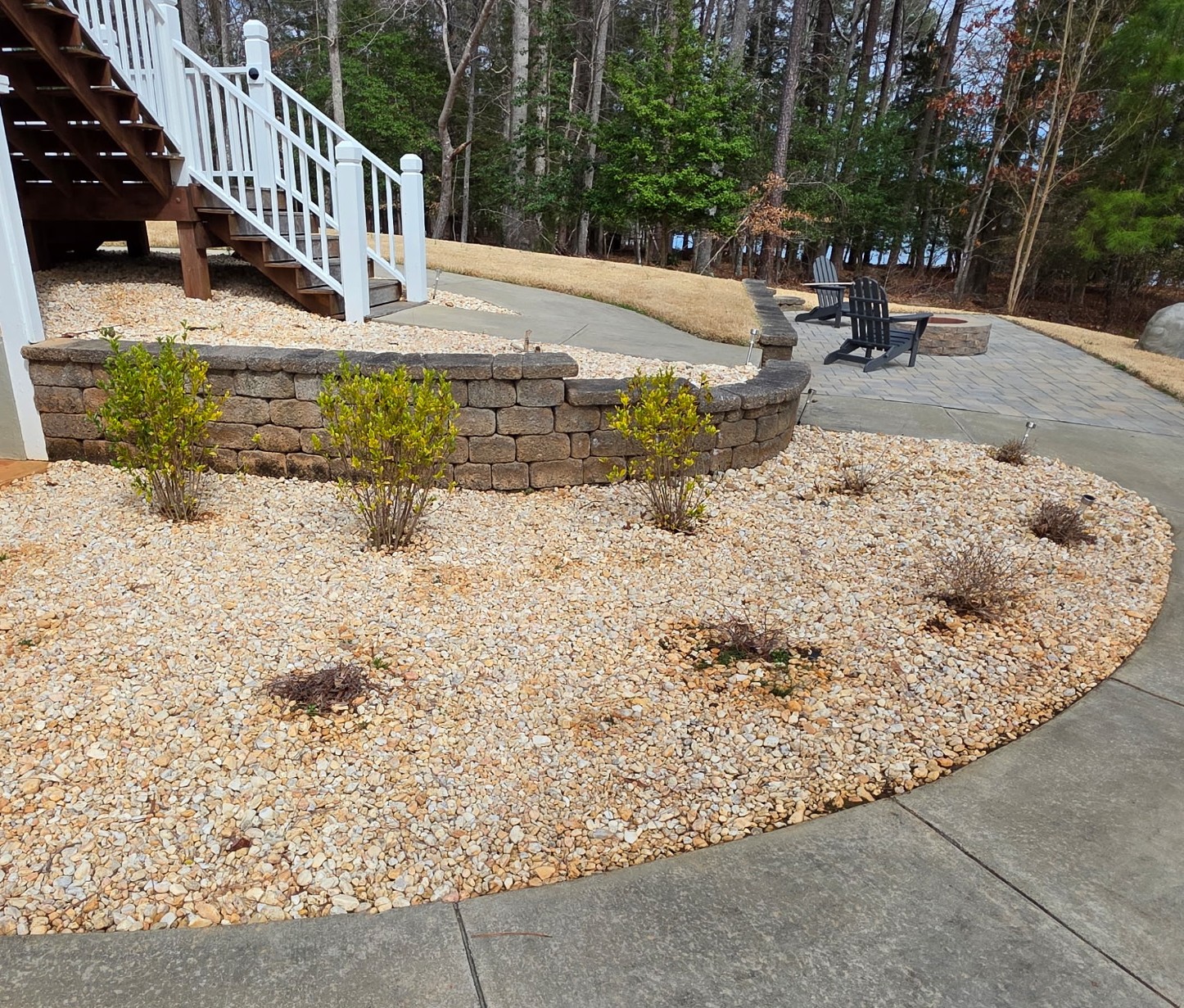
Newly installed plants in the last 1–2 seasons have underdeveloped root systems and haven’t fully acclimated. They lack the established energy reserves of mature plants, making them far more susceptible to cold damage—even if they’re rated for Zone 7-8.
Broadleaf and needled evergreens (such as boxwoods, hollies, azaleas, and some junipers) are generally more vulnerable than deciduous plants. They continue to lose moisture through their leaves even when the ground is frozen, leading to desiccation (winter burn). Deciduous trees and shrubs drop their leaves and go fully dormant, offering better natural protection.
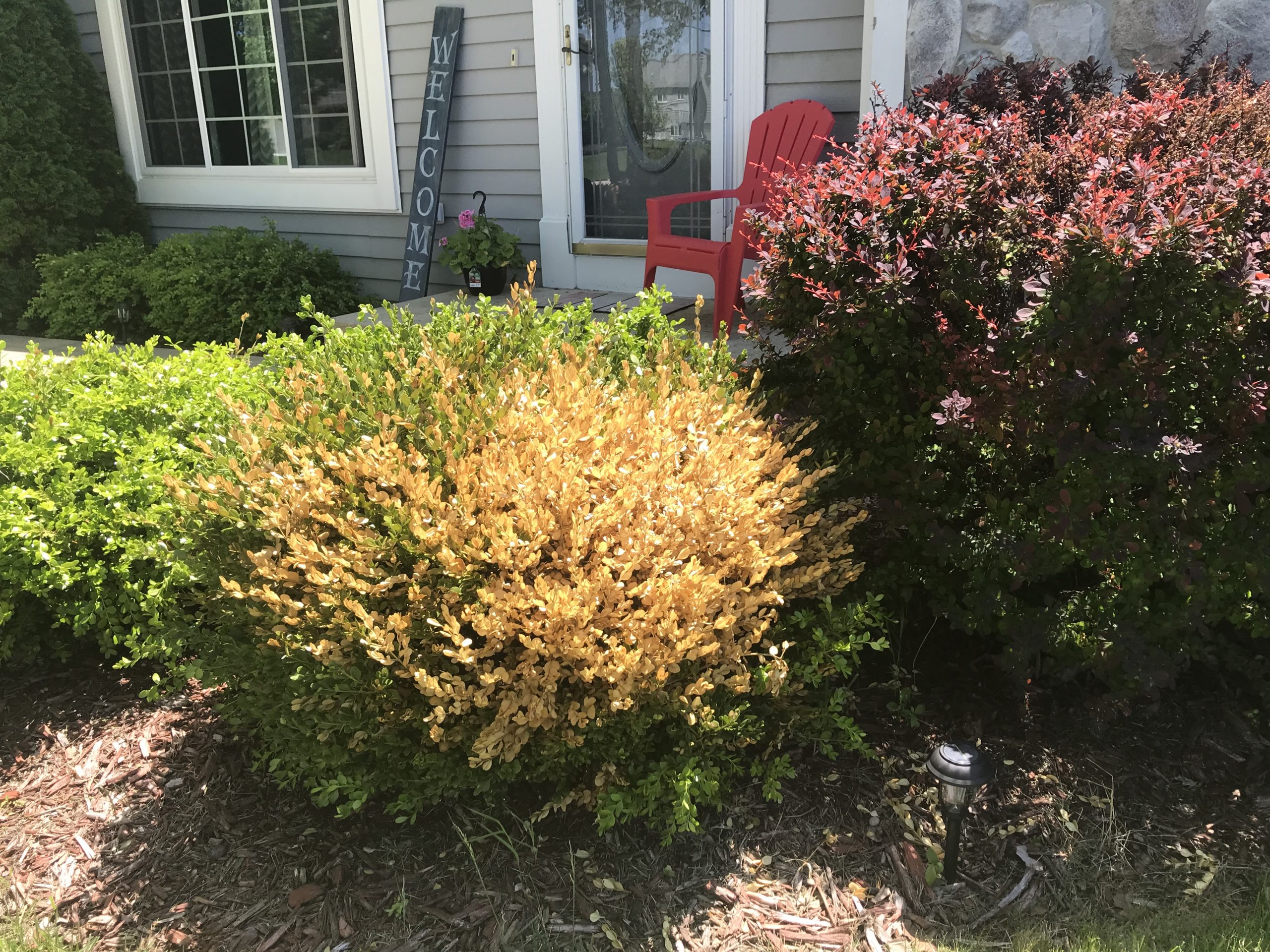
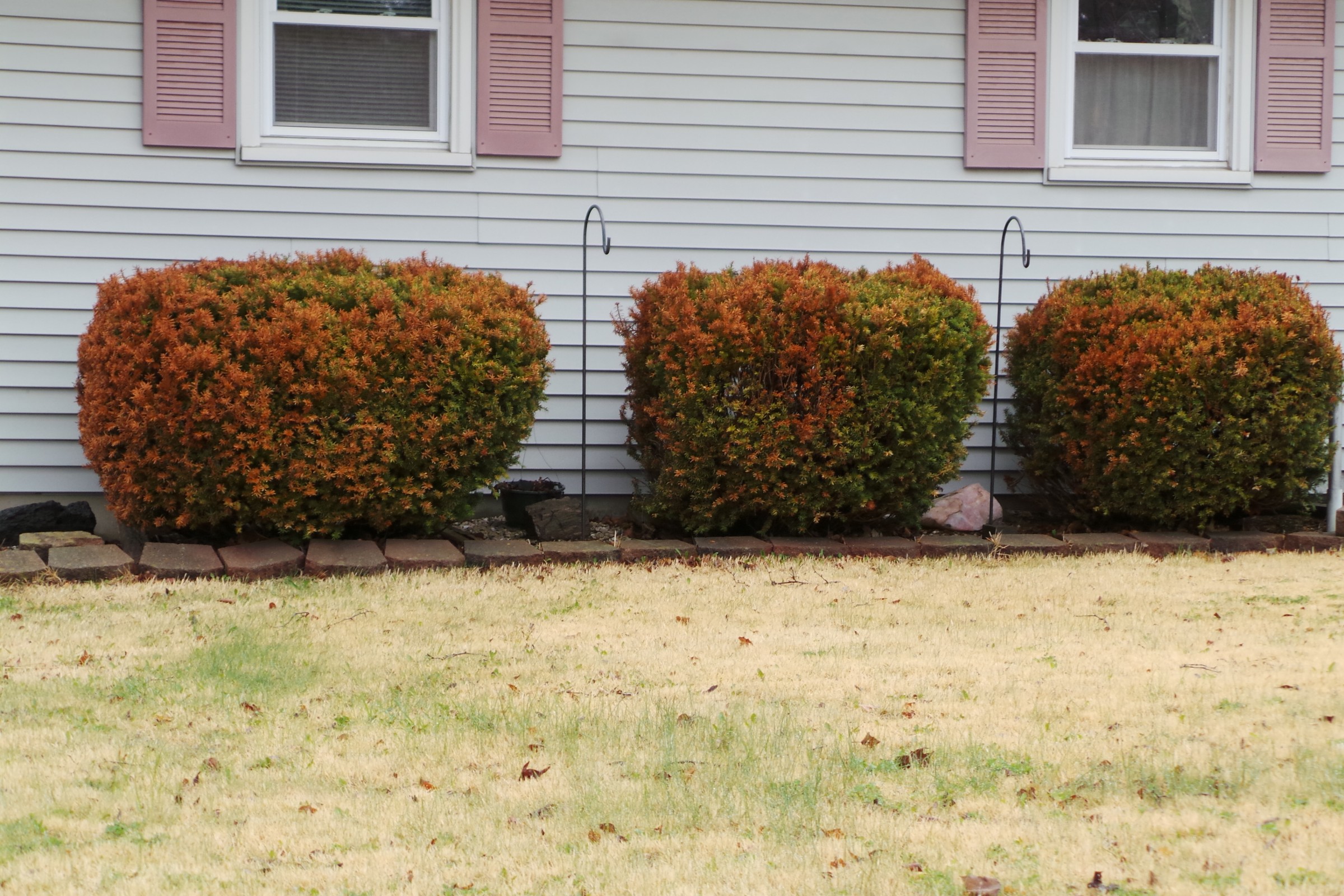
Windy sites like Lakefront properties are particularly susceptible to cold damage. Wind accelerates moisture loss from foliage and raises the “wind chill” effect on plant tissue.
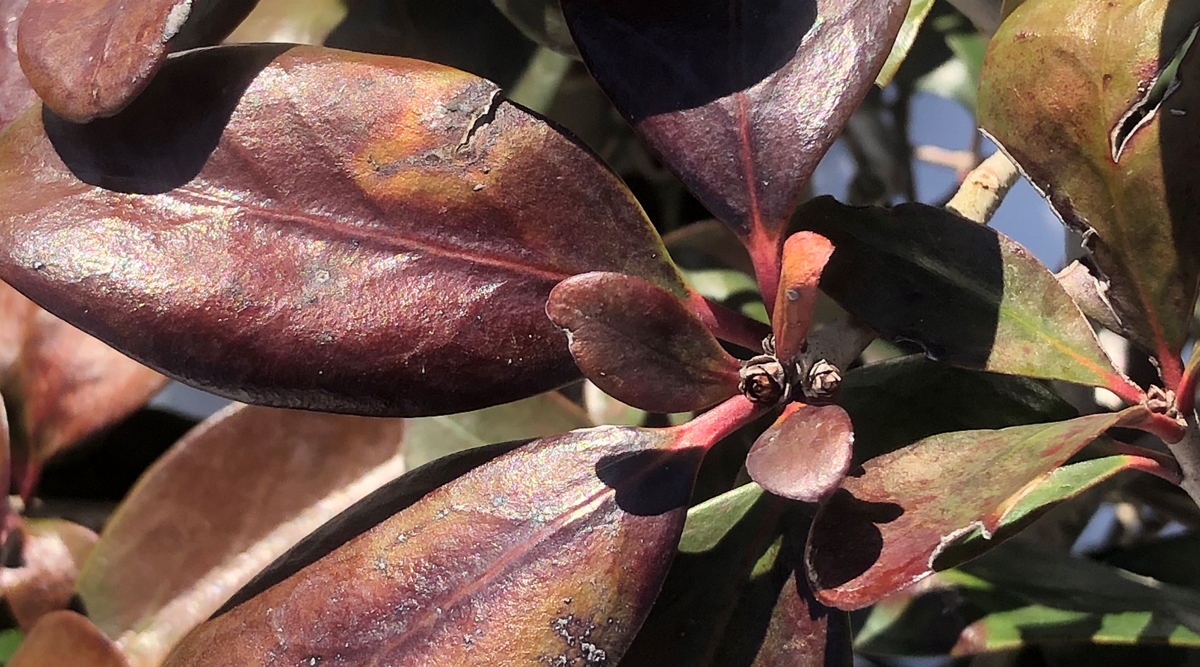
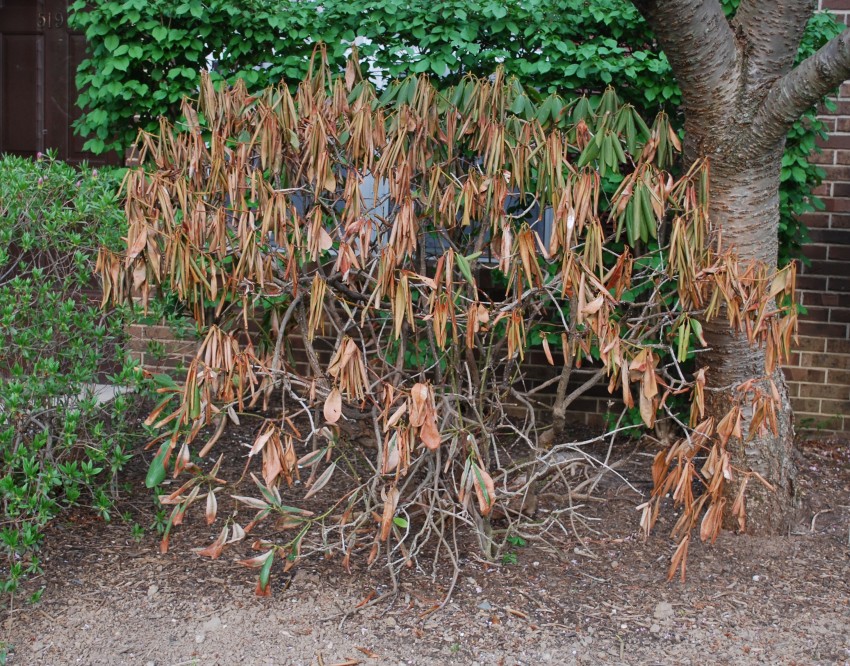
Any tender or marginally hardy plants that push the limits of Zone 7-8 rating will feel the impact of extreme temperatures.
What To Do Now
The good news: many plants will recover—Just be patient!
You should wait until mid-spring to fully assess damage. Even plants that look dead right now often push out new foliage as the soil warms and roots recover. So, pruning too early, for instance, can remove tissue that’s still viable. By late April or May, you’ll have a clear picture of what’s living and what needs replacement. In the meantime, avoid fertilizing stressed plants and provide deep, infrequent watering (if no rain) now that the ground is thawed.
Warranty Coverage and What’s Not Covered
As a full-service landscaping partner, we stand behind our installations and maintenance. However, plant death or damage caused by extraordinary weather events (like this historic cold snap), lack of water on non-irrigated sites, or lack of ongoing care on sites we no longer maintain falls outside our warranty. These are considered acts of nature or site-specific conditions beyond our control. We’re happy to evaluate your property, provide honest recommendations for replacements or pruning, and help you plan for greater resilience next season.
This winter was unusually harsh, but it’s also a reminder of how resilient our landscapes can be with the right care. At Ben’s Creek Nursery, we’re committed to best practices that can minimize damage and help your property bounce back stronger. Whether you need a one-time consultation, full maintenance, or new plantings, our team is here to support you.

Have a problem? Contact us – we can help!


