
We just received some January lawncare tips for both warm & cool-season grasses from our friends at Super-Sod.
Warm-Season Lawns
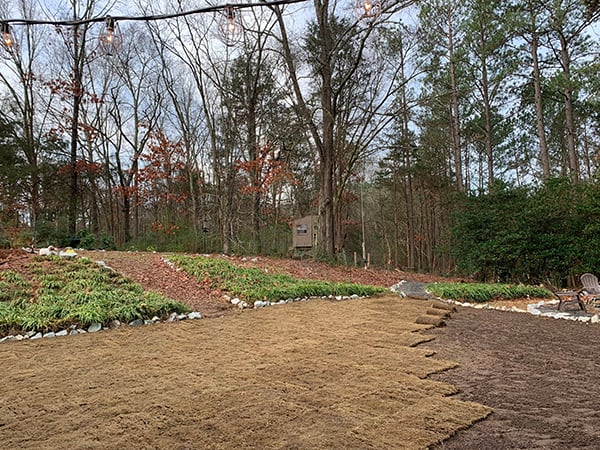
Here are some highlights. Or you can read the whole thing here.
Super-Sod reminds at the outset what you already know about your Bermuda, Centipede, Zoysia, or St. Augustine lawns:
“Your warm-season lawn should be asleep (dormant) by now, especially after the 20-degree nights in December … “
But that is not a reason to ignore your turf. If, for instance,
” … bare spots are driving you crazy or you have made renovations, you can stop all that mud by laying dormant warm-season sod … Laying dormant sod in winter is ‘a thing.'”
You should also rake or blow leaves off your lawns.
“This should have been done all throughout the fall; so if you haven’t done it yet, remove tree leaves from your lawn to prevent suffocation and diseases, even from dormant lawns. Rake or blow them into your beds and natural areas to use them as mulch rather than bagging them. Leaves are also a good addition to the compost pile.”
They finish up with important advice on fertilizing, weed control, and mowing in January, with important warnings you need to be aware of. So, read the whole thing before starting work!
Cool-Season Lawns
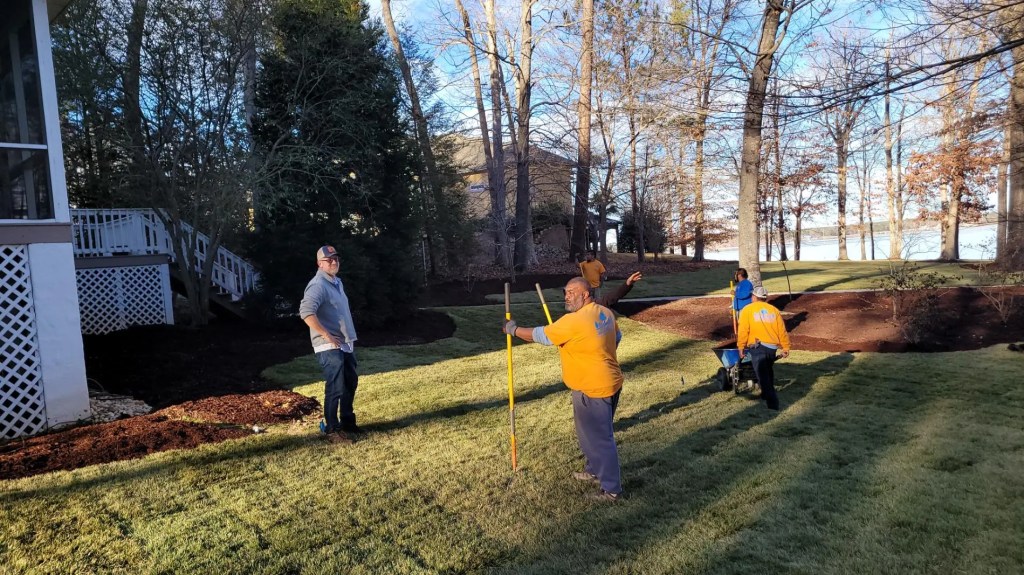
Here are some highlights. Or you can read the whole thing here.
If you’re worried about the effect winter is having on your Fescue lawns, Super-Sod advises you not to worry.
‘It looks like the cold is going to lock in for at least two weeks! Your lawn should be fine, but it may look a little tired over the next month. Don’t worry, it will recover when temperatures warm up even a little. It is a cool-season grass after all.”
If you didn’t overseed your Fescue in September,
“[Unfortunately, the] window has closed until September for overseeding Fescue lawns with fresh seed.”
But don’t worry. Like warm-season grasses, cool-season Fescue sod can be laid in January, and Super-Sod assures us that you can patch up those thin or bare spots with pallets or individual rolls of Fescue sod.
As with warm-season grasses, you should make sure all leaves are raked or blown off your lawn:
“This should have been done in December; so if you haven’t done it yet, remove leaves from your Tall Fescue lawn to prevent suffocation and diseases. Rake or blow them into your beds and natural areas to use them as mulch rather than bagging them. Leaves are also a good addition to the compost pile.”
Super-Sod goes on to give extensive tips on fertilizing, watering, weeding, and mowing Fescue in January, so read the whole thing for this important information.

Questions? Contact us!


