
This is a lawncare update followed by a recommendation regarding warm season grasses. Information about cool season grasses like fescue can be found here.
For those with warm season turf (zoysia, centipede, or bermuda), you may have noticed a slight wilting and grayish or purple-to-blue discoloration to parts of your lawns. This is actually not a bad thing, but it will take a bit to explain why.


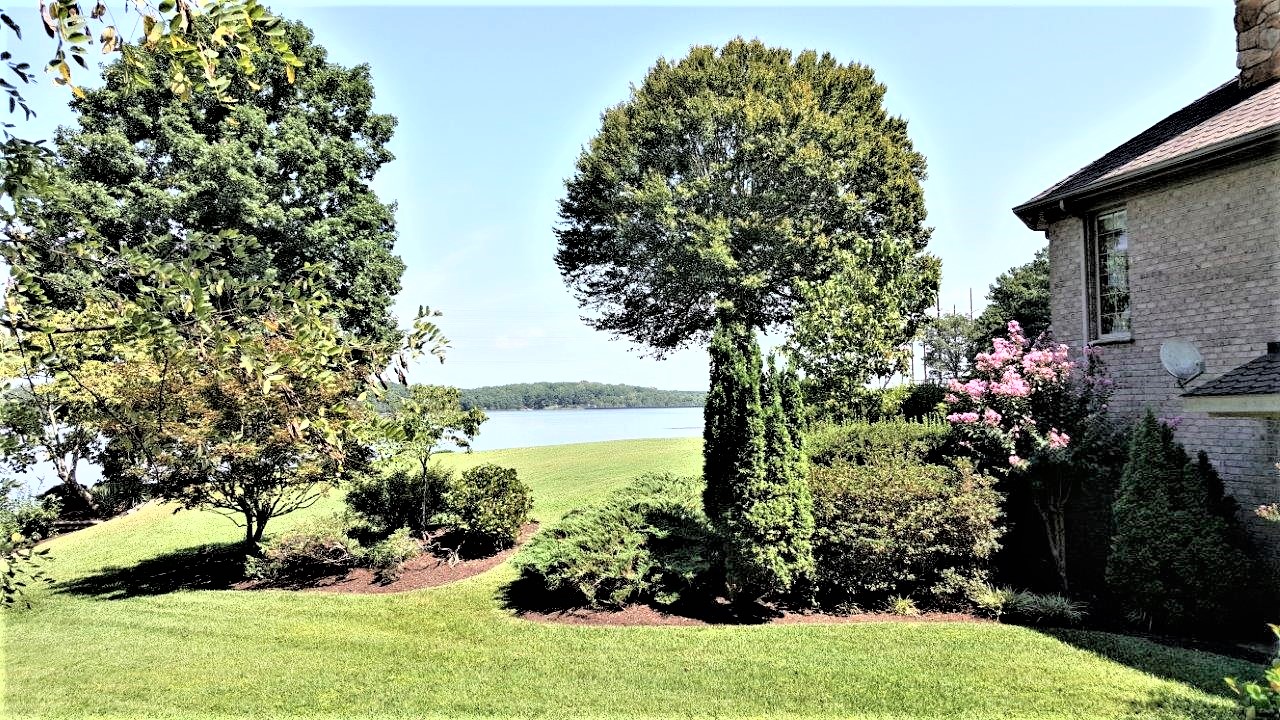

As I am sure you are aware, we have had a series of 95+ degree days, with intermittent rainfalls. Many of you have irrigation systems in place and what’s called warm season grasses. You might think, then, that you are safe from the effects of high summer heat – and you would be correct, but that does not mean you should not expect to see some significant effects from the weather.




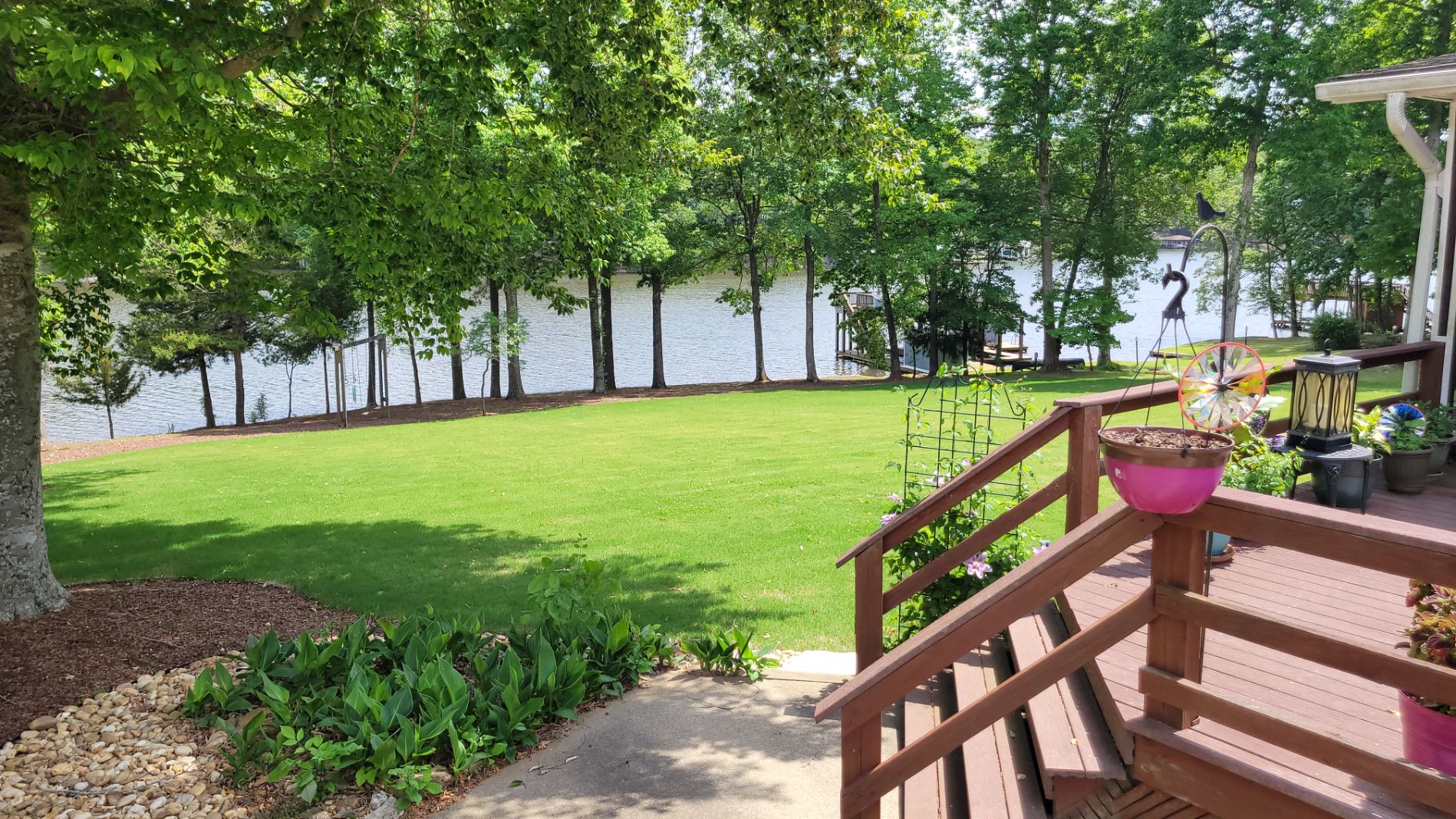
Irrigation systems are critical in getting through conditions like we have had, but unless you are growing cherry tomatoes in the Negev Desert, it’s important to understand that irrigation systems are never used to substitute for rainfall. They are a supplement that must be managed so as to prevent the twin evils of over- and under-watering.
So, to our present situation: you might think in these heat conditions that you need to compensate with lots of water. But in actuality, you want to carefully limit the water. Warm season grasses are actively pushing down roots well into the summer, which protects those roots from the heat. Too much water, however, encourages the roots to grow laterally to the surface and exposes them to the harsh effects of the summer sun. Watering, then, needs to be at a level that will encourage deep root growth; this is achieved by watering just shy of dormancy conditions.
Targeting this near dormancy limit is hard, but the result will be the appearance of wilting and discoloration to parts of your grasses that some of you have noticed. Counter-intuitively, this is actually a good sign; wilting and discoloration means that we are close to the optimum level of watering that will promote root growth and heat resistance in these unseasonal times.

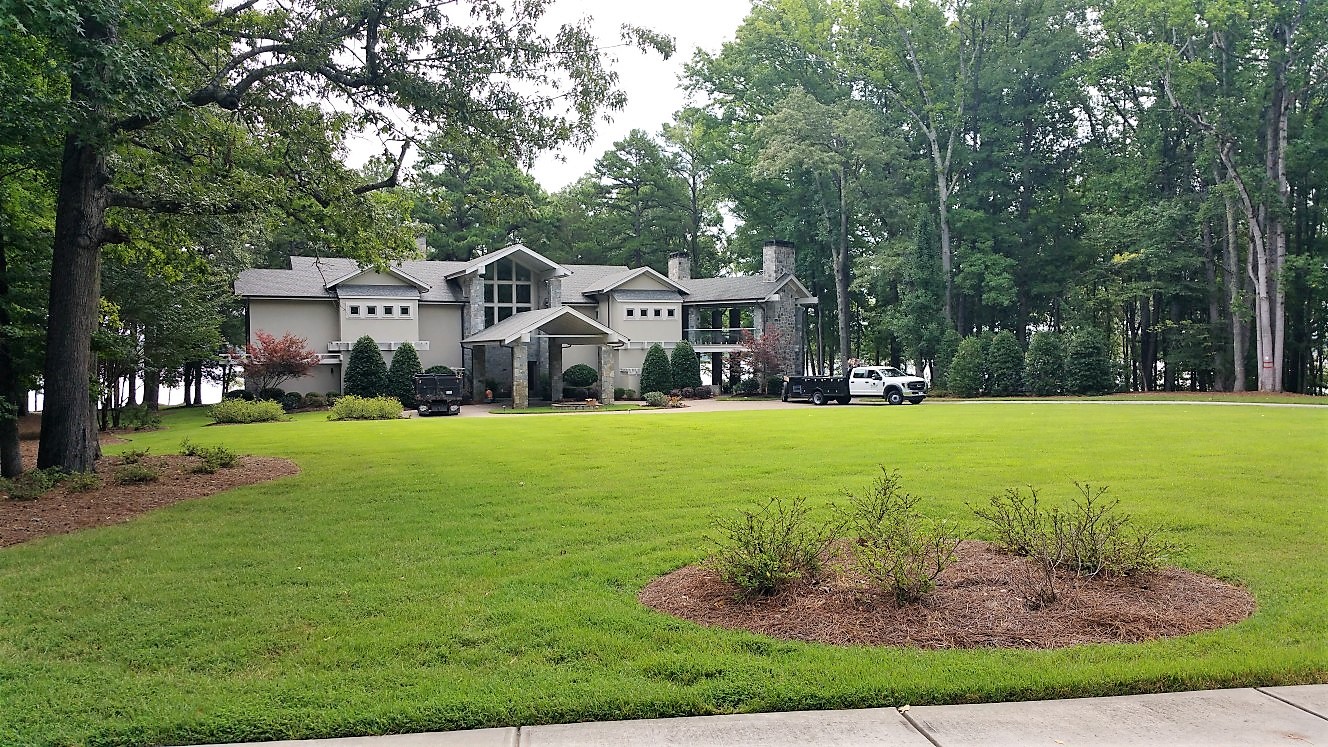

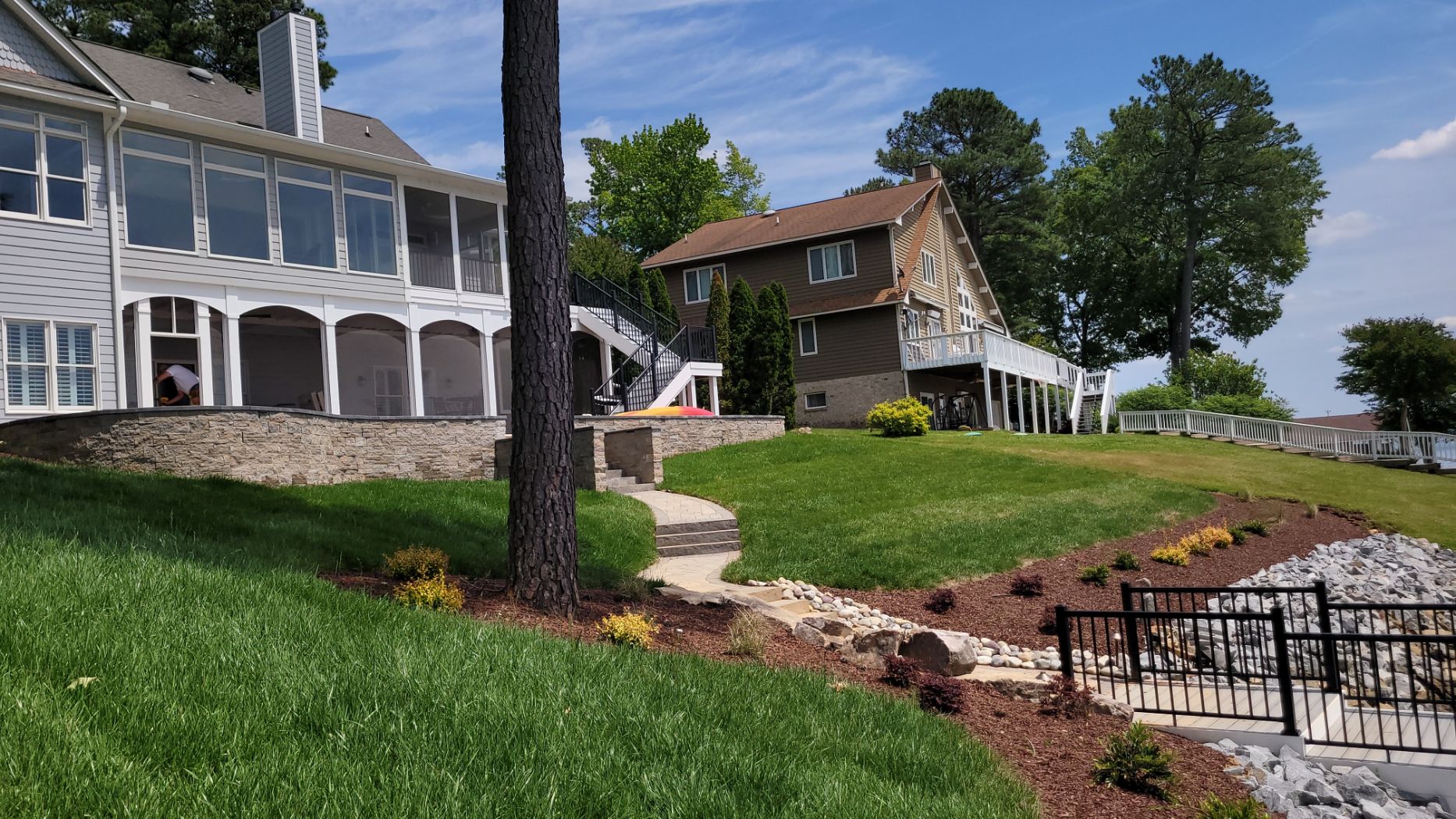
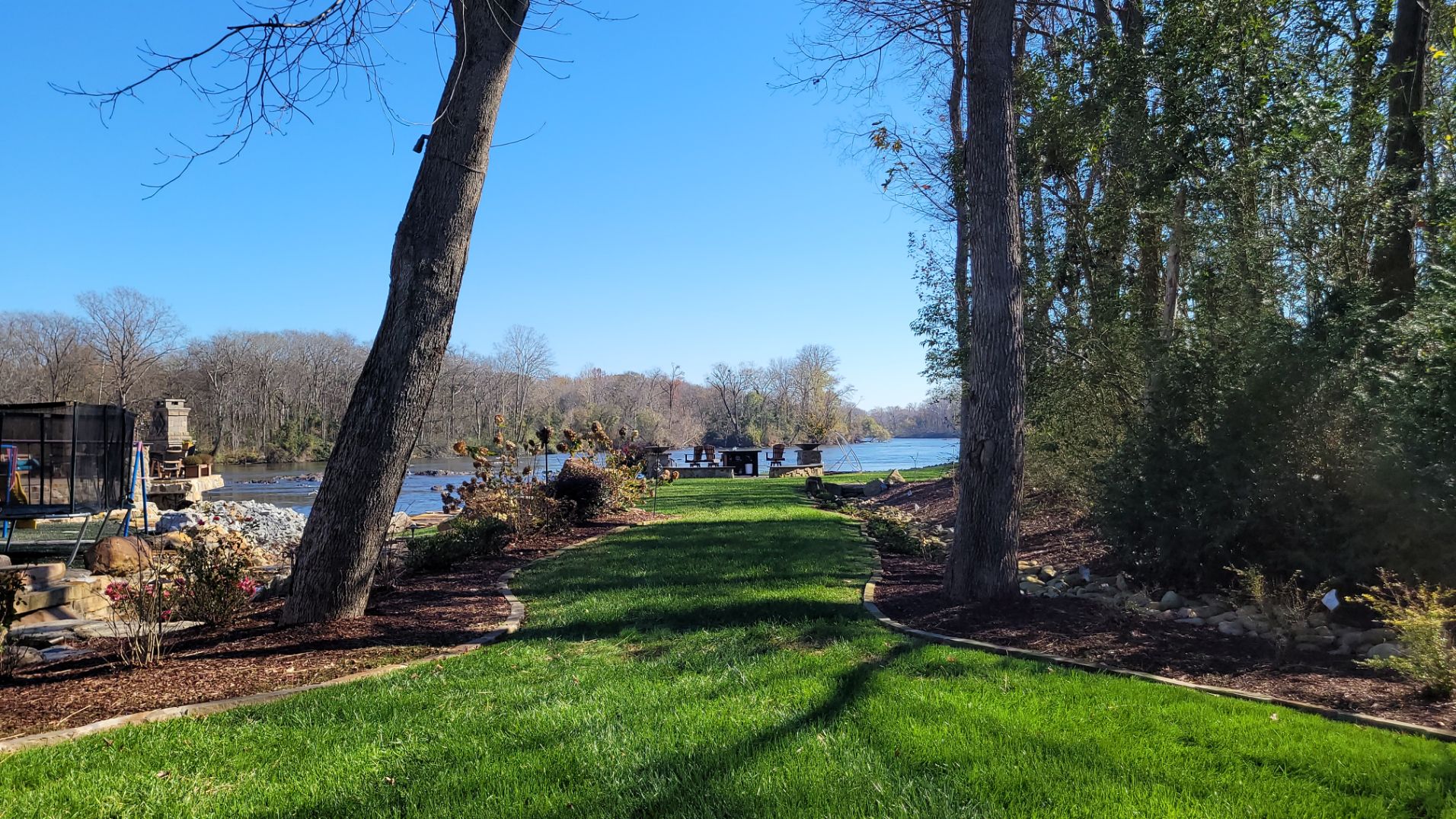
In sum, the importance of coordinating your irrigation with seasonal weather variations cannot be overstated. Given that, here is what we recommend:
We believe that everyone’s lawns would be helped by the installation of a rain sensor and wifi enabled controller, which will permit real-time management of watering with a simple phone app. With the app you will be able to monitor and control your system from the comfort of your living room or on vacation, and allow us to do the same in lieu of a service call.
For more information about best practices in the maintenance of warm season grasses, go to Chapter 9 of the NC State Extension Gardner Handbook.
If you have any questions about warm season grasses, proper irrigation, or lawncare in general, send us a message!


2 thoughts on “Warm Season Grasses & Summer Heat”